CASE STUDY 01 / PRODUCT DEVELOPMENT
Ice Clips.
A small part. A measurable difference.
THE PROJECT, IN BRIEF
A small part. A measurable difference.
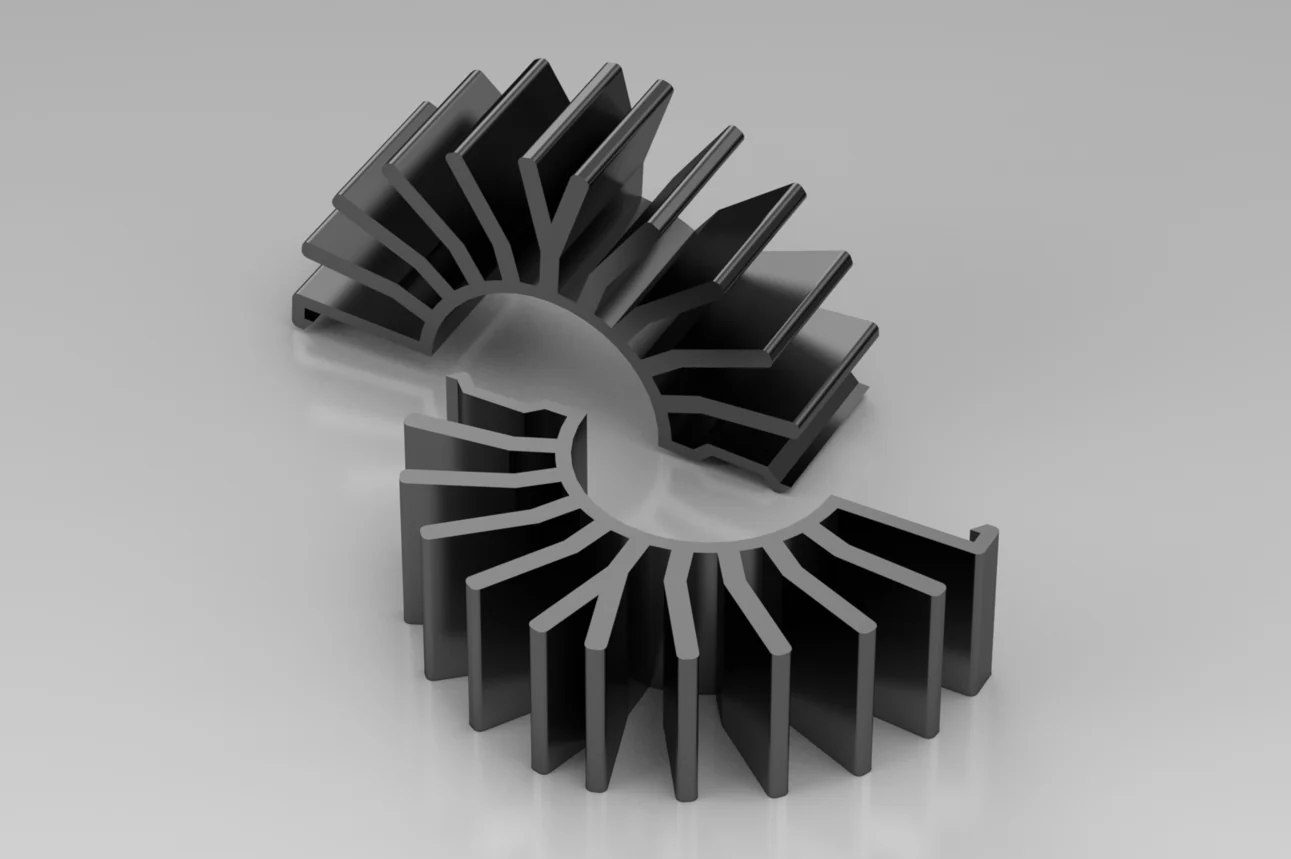
A snap-on heatsink for the Onewheel GT, developed from a thermal problem into a manufactured product in riders’ hands.
- CLIENT / CONTEXT
- Independent product development
- PROJECT OUTPUTS
- Two-piece heatsink design · Manufacturing CAD and toleranced drawings · Controlled thermal comparison · Product packaging and launch materials
- THE RESULT
- A manufactured, tested, and shipped product that improved thermal performance in a controlled riding comparison.
01 / The challenge
Solve the heat problem without complicating the ride.
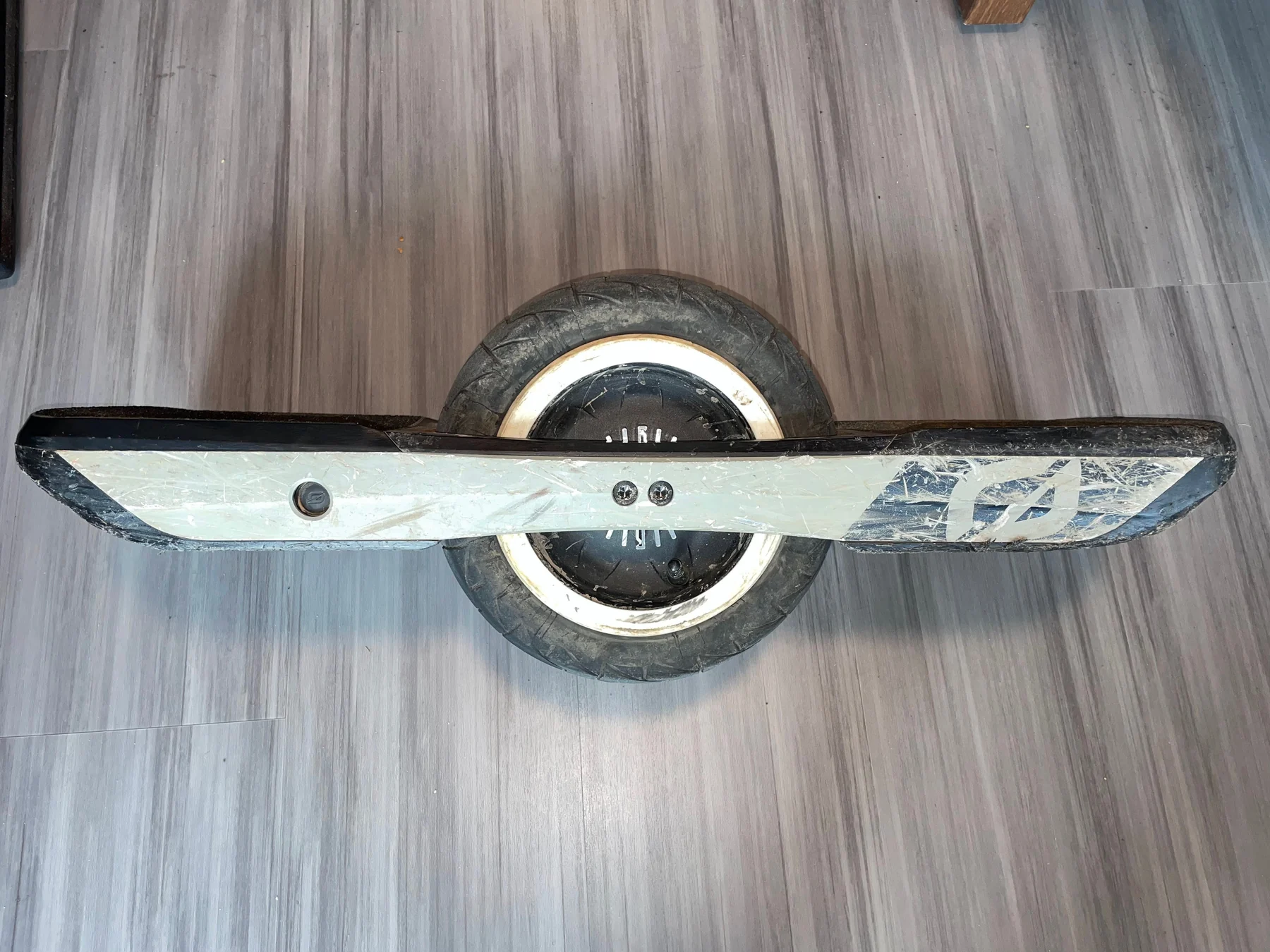
Hard riding exposed a practical limitation of the Onewheel GT: heat building up around the hub motor. The opportunity was to help dissipate that heat with an accessory riders could install themselves.
A useful solution had to work within the existing board geometry. It needed contact with the axle, clearance around the surrounding hardware, and an installation method that avoided board disassembly.
- Address heat at the axle and hub motor interface
- Fit the existing board without modifying its hardware
- Make installation practical for the rider
02 / Design development
Make the attachment part of the solution.
The design developed around a two-piece heatsink that snaps together around the axle. That architecture made installation possible without taking the board apart, while creating the contact needed to transfer heat into the aluminum fins.
Profile development brought several requirements into one part: thermal contact, installation feel, mechanical fit, and a geometry that could be manufactured repeatedly. CAD and physical parts made those tradeoffs tangible.
- Two-piece attachment around the existing axle
- Fin geometry and contact surfaces developed together
- Profile refinement for fit and assembly

03 / Engineering handoff
Turn the model into a manufacturing package.
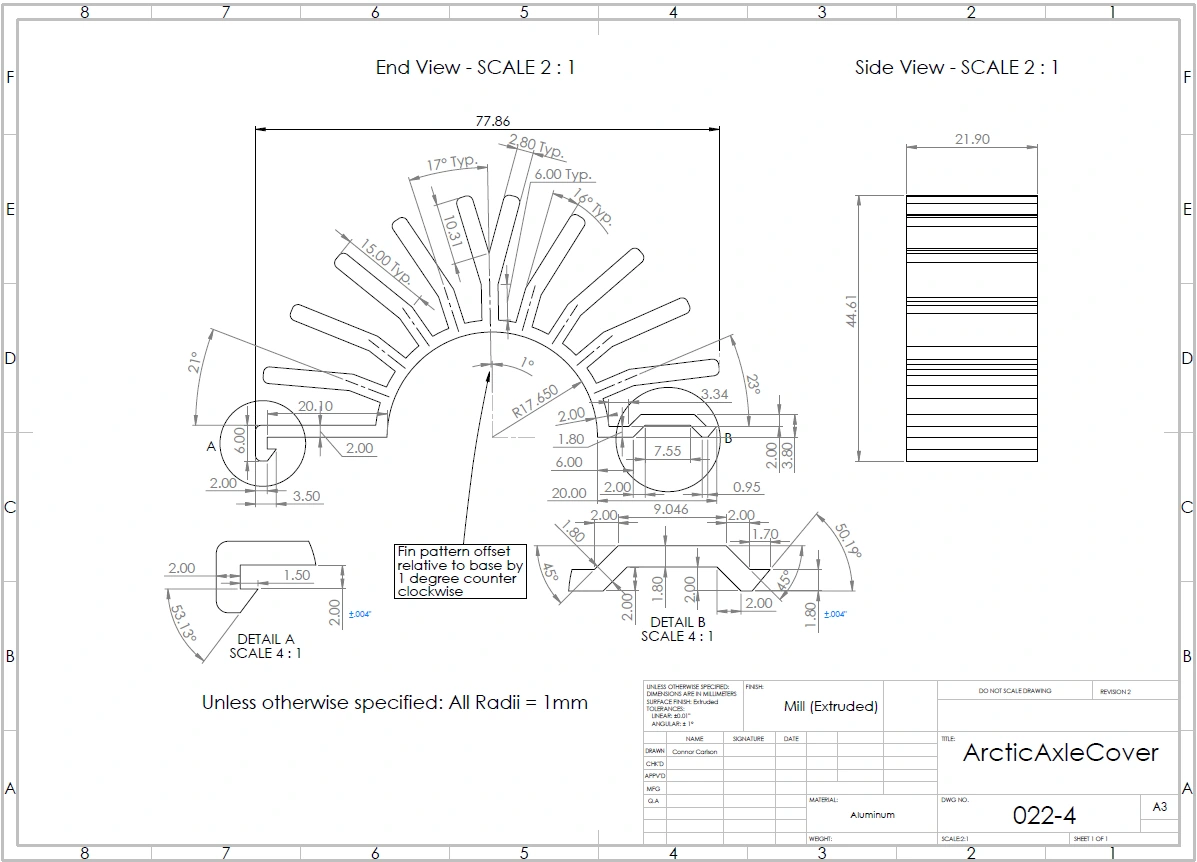
Once the profile was established, the next task was to communicate it accurately to a manufacturer. The CAD was supported by manufacturing drawings and tolerances for an aluminum extrusion process.
Production parts moved the project beyond a visual concept. They provided the hardware for controlled testing and, ultimately, customer delivery.
- Defined aluminum extrusion geometry
- Toleranced manufacturing drawings
- Production parts available for evaluation and launch
04 / Controlled testing
Measure the improvement.
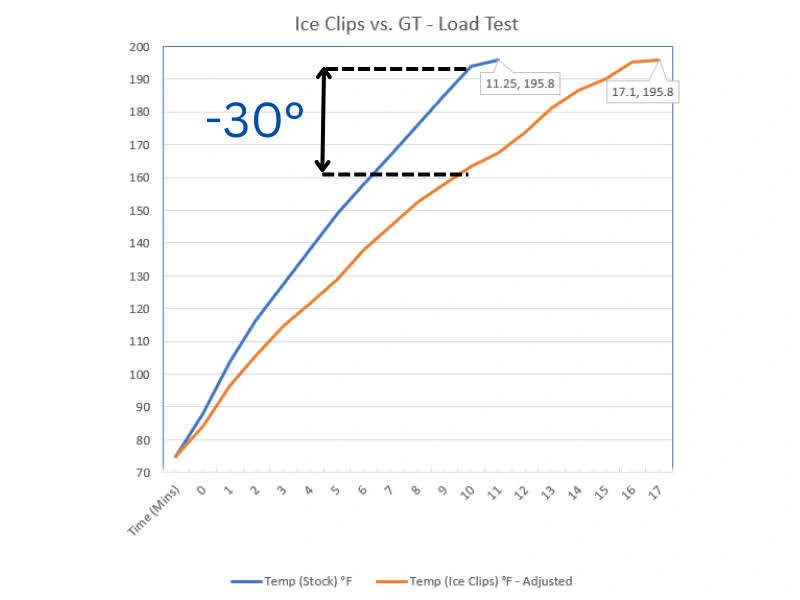
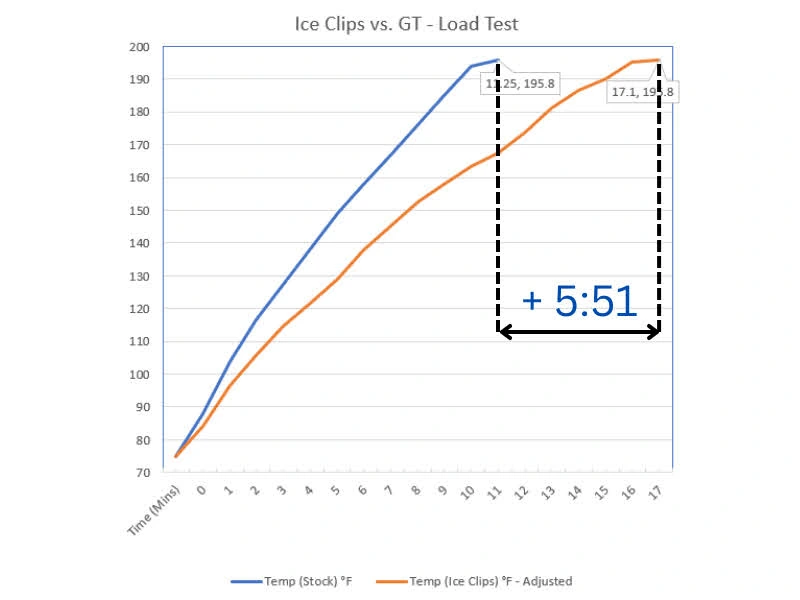
Testing compared motor temperature and runtime with the heatsinks installed. In the documented controlled comparison, motor temperature was approximately 30°F lower and runtime increased by just under six minutes.
Those results describe this test sequence. Rider load, ambient conditions, terrain, and operating behavior affect thermal performance, so the measurements are presented as project evidence rather than a guarantee for every ride.
- Motor temperature recorded during the comparison
- Runtime evaluated alongside the thermal result
- Recorded plots retained as part of the project evidence
05 / The result
Complete the journey to the customer.
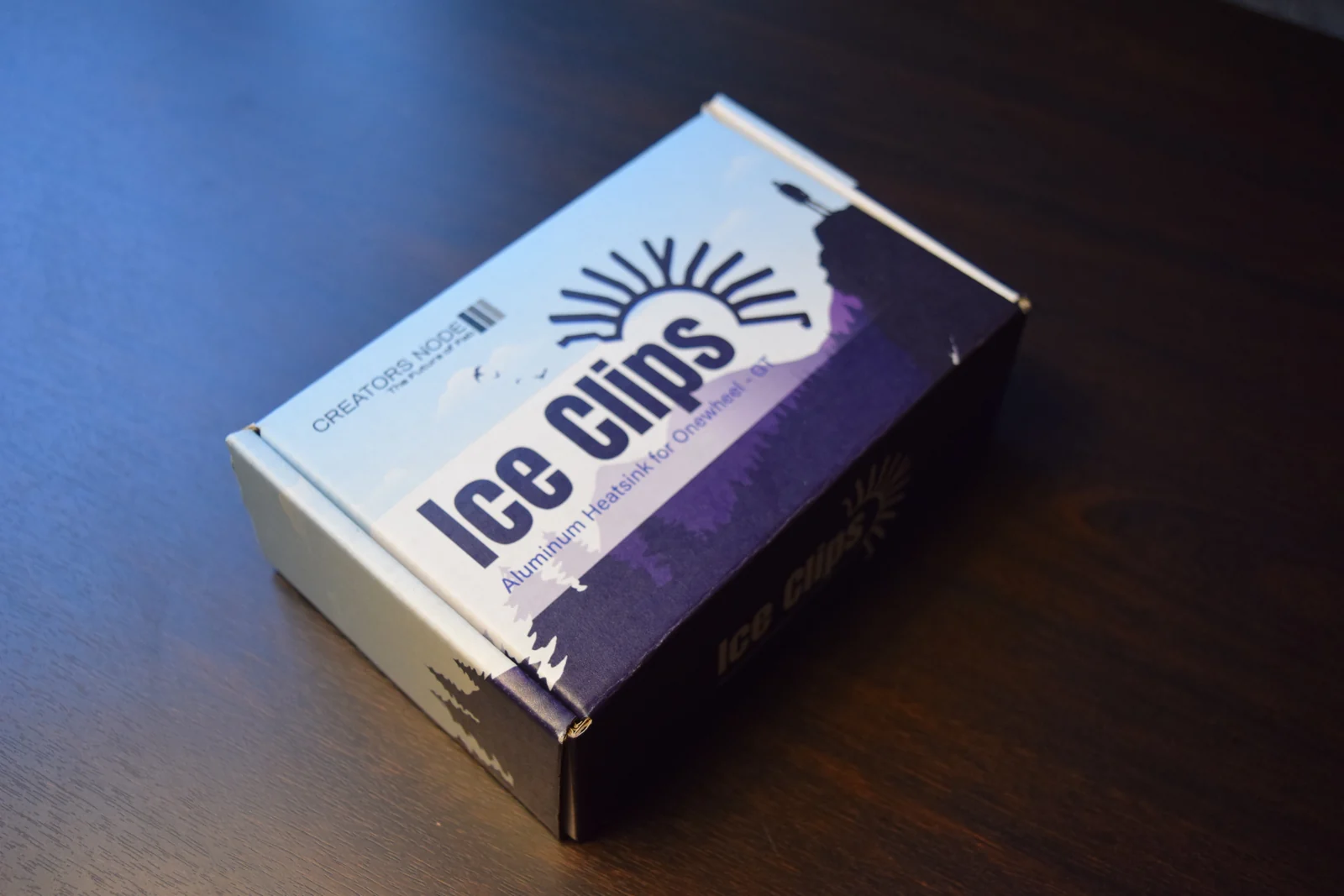
The work continued through packaging, launch, and customer delivery. That final stretch mattered: a useful piece of hardware also needs to arrive as a clear, complete product.
Ice Clips connects every stage of development in one project—from the original thermal problem to installation on customers’ boards. It demonstrates the value of carrying design decisions through manufacture and real use.
- Manufactured heatsinks prepared for shipment
- Packaging developed for the finished product
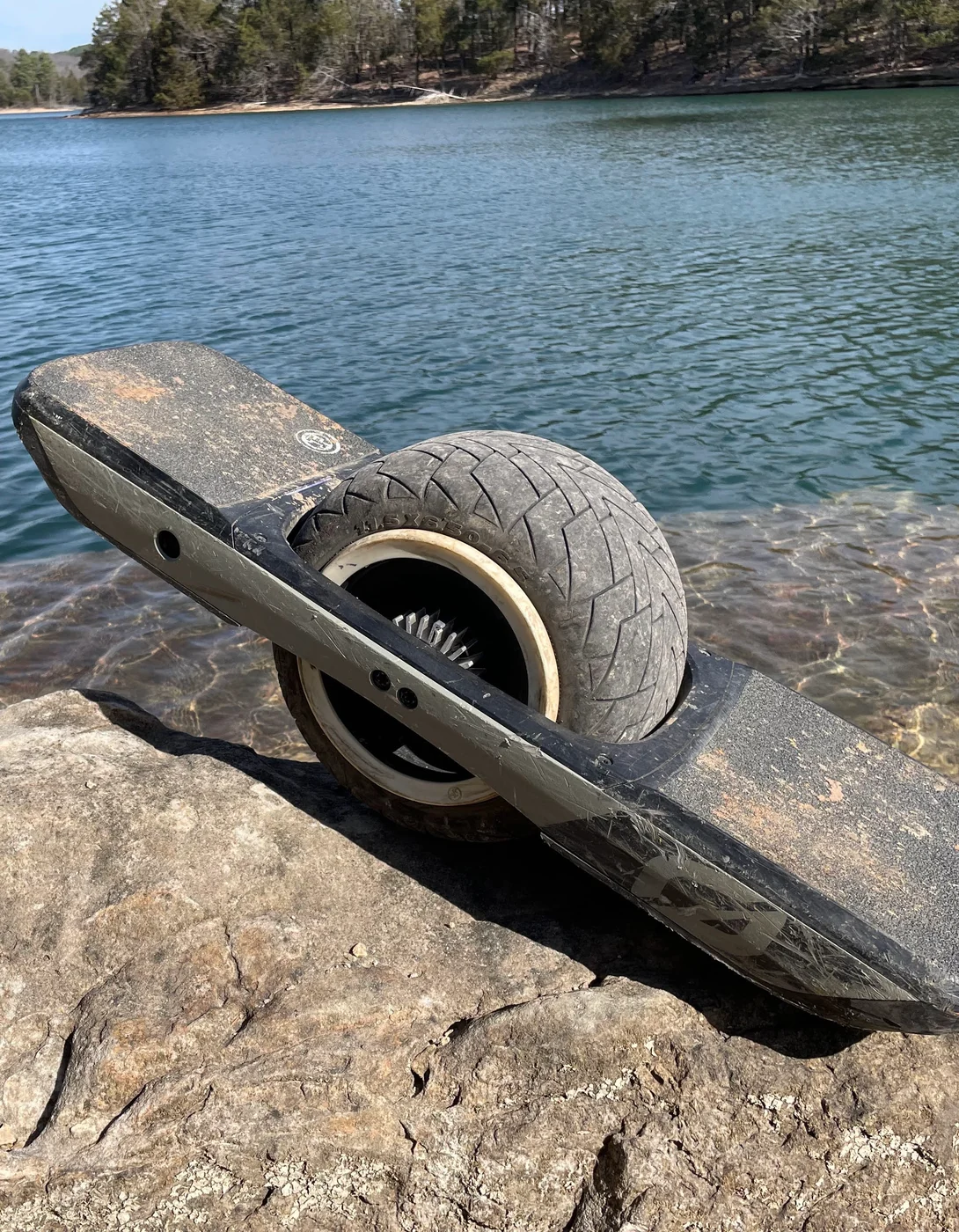
- Customer photographs document installation and use
KEEP EXPLORING
Sentinel